
Technology Is Changing the World: What AI, Chips and Digital Independence Mean for the Future
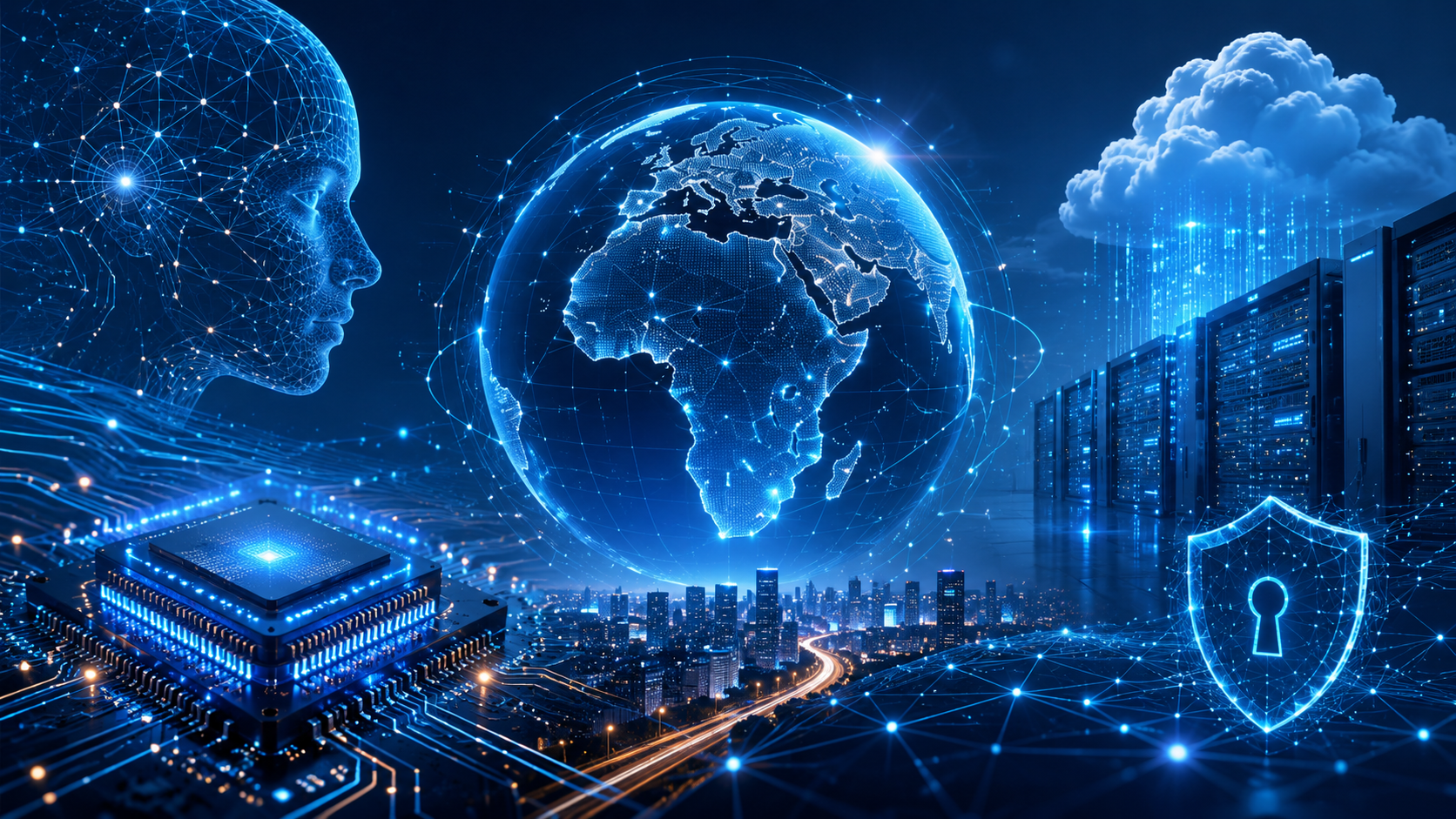
Technology is no longer just about phones, computers, and the internet. It has now become one of the strongest forces shaping business, education, security, communication, and national development. Across the world, countries and major companies are investing heavily in artificial intelligence, cloud computing, data centers, and semiconductor chips because these areas are becoming the foundation of the future economy.
One of the biggest issues in global technology today is digital independence. Many countries, especially in Europe, are working hard to reduce their dependence on foreign technology companies. They want more control over their own digital systems, data storage, cloud services, artificial intelligence tools, and computer chips. This shows that technology is no longer only a business matter. It has become a national security and development issue.
Artificial intelligence continues to lead most technology discussions. AI tools are now being used in offices, schools, hospitals, media, businesses, and even in personal daily activities. Big technology companies are building smarter systems that can help people write, research, design, analyze data, and make faster decisions. This means AI is not just something for the future; it is already changing how people work today.
Another important area is computer chips. Powerful chips are needed to run artificial intelligence systems, cloud platforms, smartphones, laptops, and modern machines. As AI grows, the demand for advanced chips also increases. This is why many countries and companies are putting more money into chip production. Whoever controls strong chip technology may have a big advantage in the future.
Cloud computing and data centers are also becoming very important. Many businesses, schools, banks, hospitals, and government institutions now depend on online storage and cloud systems to operate. This makes data protection, cybersecurity, and reliable internet infrastructure very important. A country that cannot protect its digital systems may face serious problems in business, education, and national security.
For Ghana and Africa, these global technology changes should be taken seriously. We cannot continue to depend only on foreign systems while the world is moving forward. We need to train more young people in digital skills, coding, cybersecurity, artificial intelligence, networking, data management, and software development. Schools must also prepare students for the digital future, not only for traditional office work.
Technology can create jobs, improve education, support small businesses, strengthen security, and make government services more efficient. However, this can only happen when countries invest in skills, infrastructure, innovation, and local technology solutions. Africa has many talented young people, but talent alone is not enough. It must be supported with training, tools, funding, and opportunities.
The main message is clear: the future will belong to countries, businesses, and individuals who understand technology and use it wisely. Artificial intelligence, chips, cloud computing, and digital independence are not just foreign topics. They are issues that affect every country, including Ghana. The earlier we prepare, the better our chances of benefiting from the new digital world.
Do you think Ghana and other African countries are preparing well enough for the future of artificial intelligence and digital technology?
All comments